
Why You Don’t Need a Fertility Detox to Get Pregnant in 2026
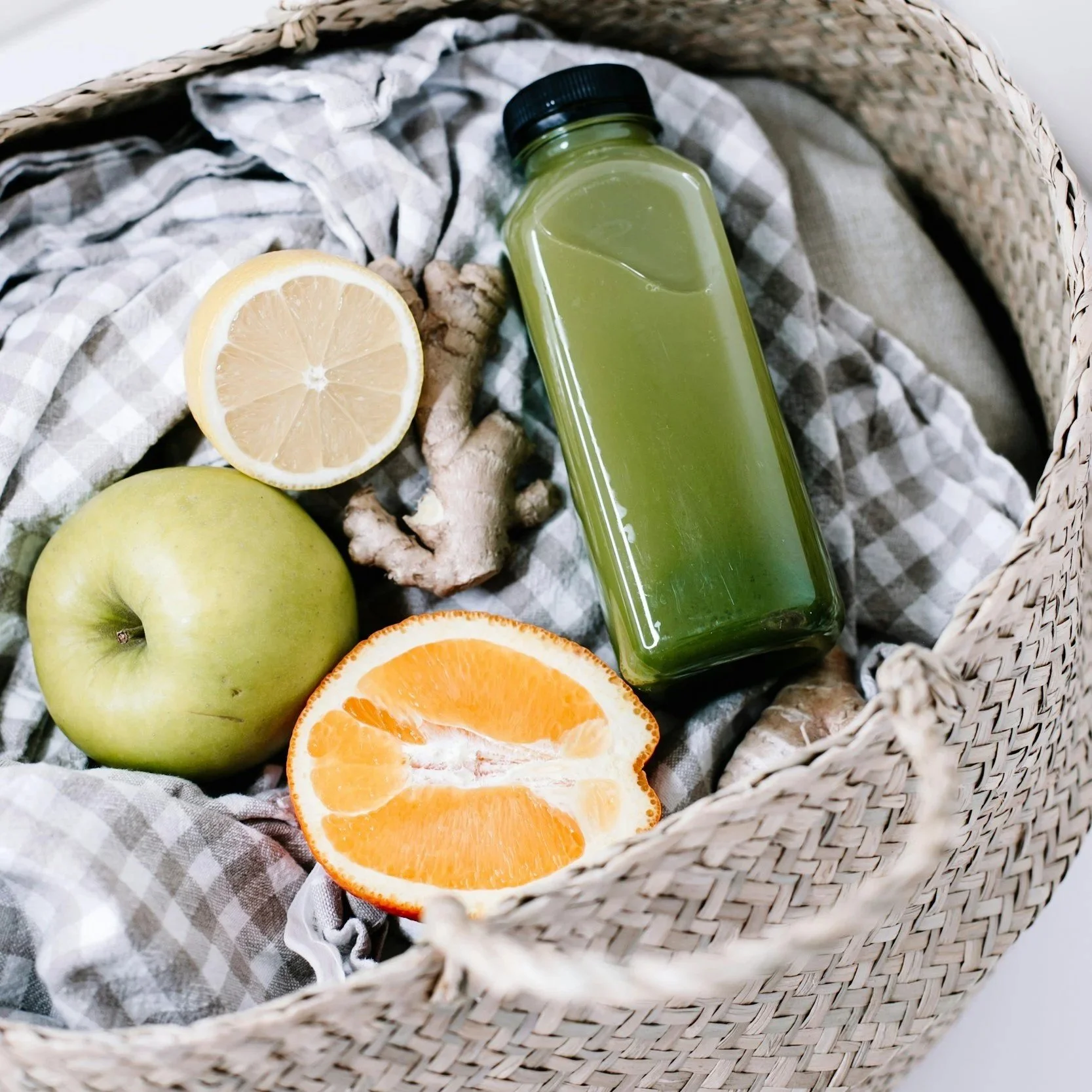
January often arrives with the same message everywhere you look: “reset your body, overhaul your diet, detox everything.”
And if you’re trying to conceive — especially if you’ve been navigating endometriosis or unexplained infertility — that pressure can feel even heavier.
You might be considering cutting out gluten, dairy, sugar, caffeine… maybe all at once. You might be thinking, “I’ll try anything if it helps me see those two lines.”
If that sounds familiar, you’re not alone — and I want you to know something important:
This year can be different.
Not because you restrict harder — but because you finally get clear, evidence-based guidance that supports your body instead of depleting it.
The Rise of the “Fertility Detox”
Social media has made fertility nutrition more confusing than ever.
TikTok, Instagram, Facebook groups — everywhere you turn, there’s a new:
Fertility detox diet
Fertility tea
Generic supplement protocol
“Quick fix” to boost fertility
And while some of this advice is well-intentioned, much of it is promoted by unqualified health coaches or influencers, not trained practitioners.
What frustrates me most is seeing women already feeling exhausted, inflamed, and discouraged — then being told they need to cut even more to get pregnant.
Truth Bomb: ‘Fertility Detox Diets’ are not required to get pregnant
Yes — you read that right.
After working with hundreds of women trying to conceive, I can confidently say this:
👉 You do not need a fertility detox to support ovulation, hormones, or conception.
In fact, restrictive detox diets often do the opposite.
Why Fertility Detox Diets can backfire
1. They can leave you nutritionally depleted
Cutting out major food groups like carbohydrates, dairy, or healthy fats can lead to:
low energy
nutrient deficiencies
hormonal disruption
Your body needs adequate calories and balanced macronutrients (carbohydrates, protein, and fats) to ovulate and support a healthy cycle.
Ovulation is not possible in a state of under-fueling.
2. They increase stress on an already stressed body
Trying to conceive can already feel emotionally and physically taxing.
Adding a restrictive diet often:
increases cortisol (stress hormone)
worsens fatigue and irritability
creates anxiety around food
And chronic stress is not supportive of fertility — especially for women with endometriosis or unexplained infertility.
3. Quick “detoxing” isn’t how your body actually works
Your liver, gut, kidneys, and lymphatic system are already detoxifying for you — every single day.
What they need isn’t restriction…
They need consistent nourishment, fibre, micronutrients, and balance.
What to focus on instead of a Fertility Detox
Rather than cutting foods out, I encourage a gentle, fertility-supportive approach to nutrition.
This means:
prioritising whole, nutrient-dense foods
eating regular, balanced meals
supporting inflammation and hormone balance
making sustainable changes you can maintain long-term
When you nourish your body consistently, you naturally support:
detoxification pathways
preconception health
cycle regularity
hormone balance
No extreme methods required.
Simple Nutrition Support for when you’re Trying to Conceive
If you’re not sure where to start, this is exactly why I created the Fertility Foundations Meal Plan — to give you:
Simple, fertility-friendly recipes
Non-restrictive guidance
Meals that fit into real life
It’s about supporting your body daily, not punishing it for not being pregnant yet. You can get yours here
This Year Can Be Different
If you’re feeling overwhelmed by conflicting advice or tired of trying to figure it out alone, you don’t need another quick-fix.
You need:
Personalised guidance
Root-cause investigation
Gentle support that makes you feel heard, supported and understood
If you’re looking for natural, evidence-based fertility support to help prepare your body for pregnancy — I’m here to help!
👉 You don’t need to do more.
👉 You don’t need to restrict harder.
👉 You need the right support.
Book a free call with me here and let’s discuss your goals.